Maritime
If your vessels are over 5,000 GT, you’re now under EU ETS requirements.
We help you understand surrender timelines, monitor emissions, and prepare for full coverage by 2026.

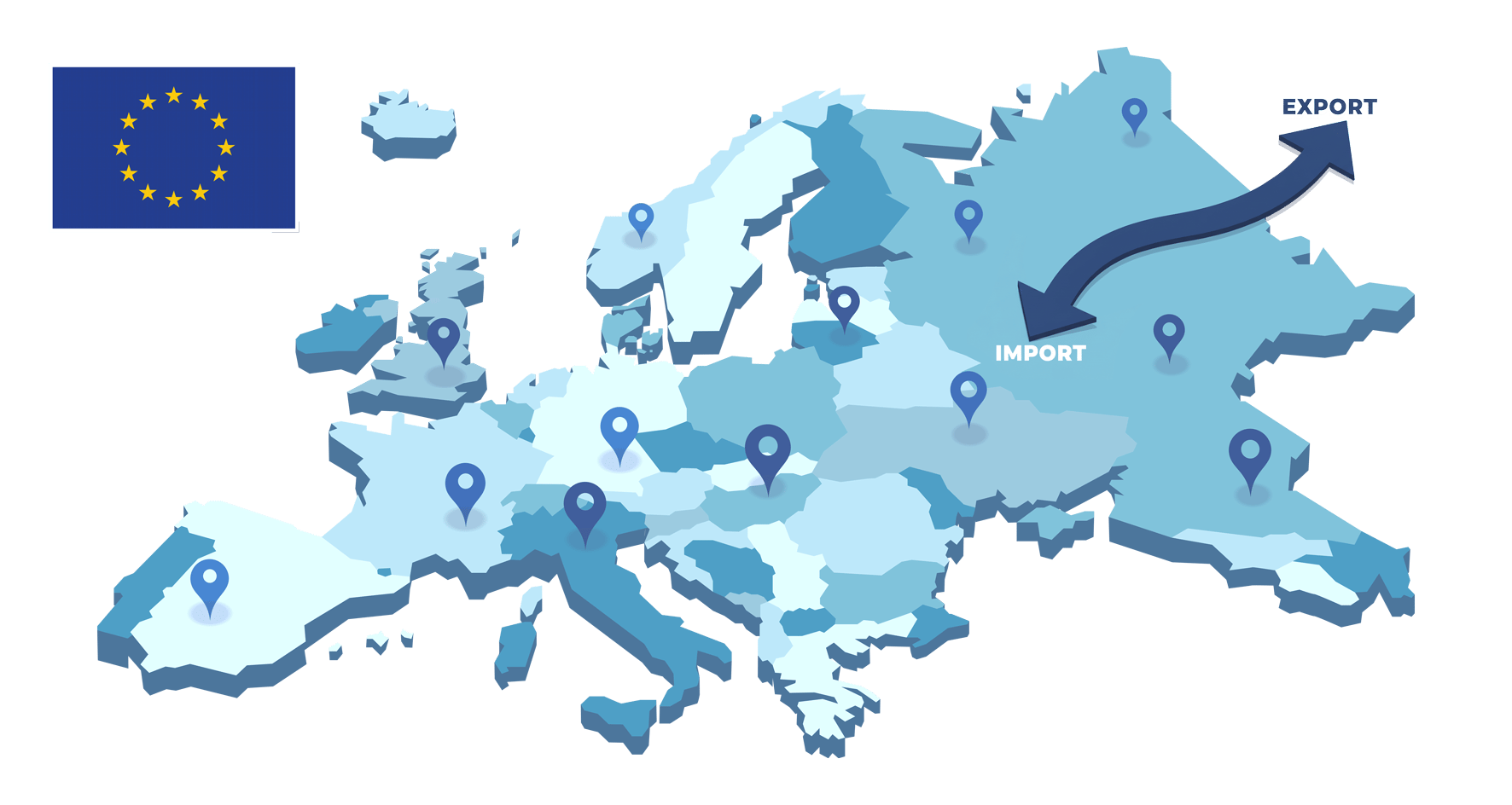
Whether you're managing reporting, procurement, or account setup, staying aligned with the EU ETS requires clarity and coordination.
Karbon-X supports teams through tailored guidance, smart tools,
and strategic insights; making compliance a part of how you operate,
not just an added burden.
Our focus is to meet you where you are, help you plan ahead,
and make sure that every step of the process is easy to manage.
From expanding sector coverage to rising carbon prices, the EU ETS continues to shape how businesses plan, operate, and report.
EU ETS obligations vary based on how and where you operate.
Below are the key sectors we support, each with evolving requirements and strategy to match.
If your vessels are over 5,000 GT, you’re now under EU ETS requirements.
We help you understand surrender timelines, monitor emissions, and prepare for full coverage by 2026.
Airlines flying intra-EU or from international destinations must report emissions and manage annual EUA surrender.
We make it easy, simplifying what’s expected and when.
Tighter emissions caps, fewer free allocations, and volatile EUA prices make it critical to plan ahead.
We support smart procurement and compliance strategy.
When operations span multiple EU countries, compliance gets more complex.
We help navigate Holding Account setup, compliance contracts, and allowance delivery across Europe.
Your business is not alone in navigating the EU ETS.
Maritime, aviation, and industrial leaders are working to meet growing compliance demands while managing procurement timelines and rising EUA costs.
✔ EUA procurement strategy
We help you plan and execute a purchasing strategy to secure allowances at the right time, avoiding cost spikes and ensuring compliance.
✔ MRV reporting
Our team supports the full Monitoring, Reporting, & Verification cycle with the accuracy and documentation regulators expect.
We help simplify the complexity, turning emissions data, regulatory requirements, and market insights into a streamlined strategic approach.
Get clear, actionable insight into evolving regulations,
upcoming deadlines, EUA strategy planning, and practical
recommendations for your specific sector.
➟ Key deadlines for surrender cycles, reporting, MRV
➟ EEA vs international operations application
➟ MOHA setup, documentation, compliance paths
➟ Voluntary market insights for Scope 3 planning
➟ Regulatory updates and action items for your sector
➟ EUA price trends on market outlook
➟ Procurement considerations for 2026-2030

Tailor-made end-to-end Climate Solutions;
Project origination, digital infrastructure,
market access, and tools to scale.


Compliance is more than a requirement, it’s a chance to manage costs, reduce risk, and strengthen your market position.
Karbon-X helps you navigate EU ETS regulations with strategies tailored to your operations and sector.
Download the free EU ETS Compliance Guide and get actionable strategies towards allowance planning, cost management, and meeting regulatory deadlines.
The EU ETS is the world’s largest carbon market, designed to reduce greenhouse gas emissions cost-effectively. It operates on a “cap-and-trade” model where regulated companies must monitor their emissions, hold sufficient allowances, and surrender them each year in line with verified emissions.
The EU ETS currently applies to the power and manufacturing sectors, aviation operators within and into the EU/EEA, and since 2024 maritime shipping over 5,000 GT. The share of maritime emissions covered will increase to 100% by 2026.
EUA prices can fluctuate significantly based on market dynamics, policy shifts, and demand. Karbon-X helps organizations build strategic procurement plans to secure allowances at the right time, manage price risk, and align compliance with financial planning.
A MOHA is required for ship operators under the EU ETS to hold and surrender allowances. Karbon-X guides clients through MOHA setup and administration in the correct EU member state.
Many organizations choose to address emissions beyond their compliance obligations by participating in the voluntary carbon market. This can help cover Scope 3 emissions, support ESG targets, and demonstrate climate leadership.